
Internal Linking for SEO: A Simple Guide to Smarter Site Structure
Internal linking is one of the most underrated yet impactful strategies in SEO. Rather than simply connecting pages randomly, effective internal linking intentionally guides users and search engines through your website, creating clarity and enhancing discoverability. When strategically executed, it boosts rankings, enriches user experiences, and reinforces your site’s architecture. In this comprehensive guide, we’ll delve into what internal linking involves, explore its significance, and reveal strategies for doing it exceptionally well.
Understanding Internal Links
An internal link is a hyperlink that connects one webpage to another within the same website. Unlike external links that point outwards to other websites, internal links maintain navigation within your content, helping both users and search engines understand and engage with your site.
These links typically appear in places like main navigation menus, sidebars, footers, within blog articles as contextual links, and as breadcrumb trails.
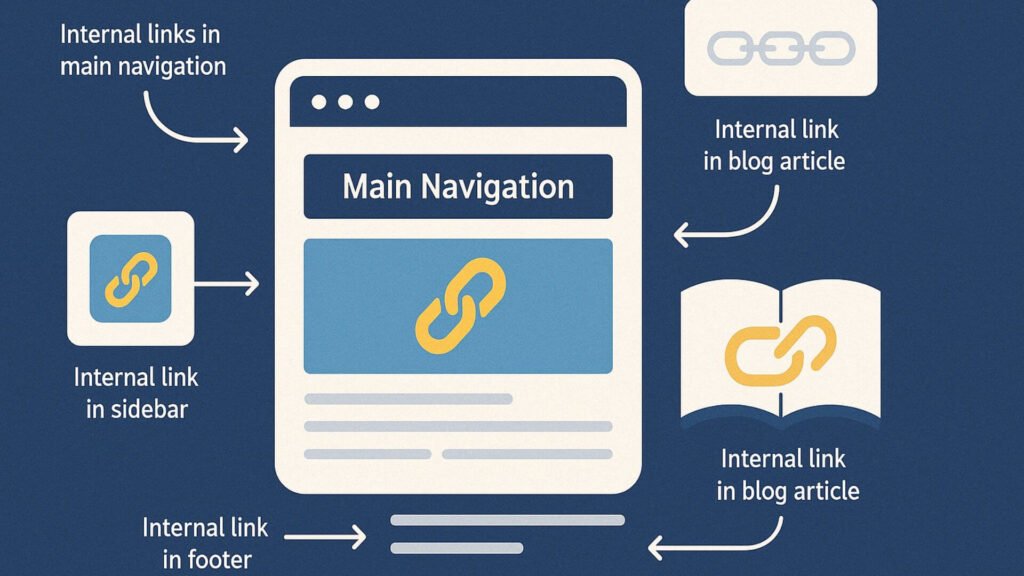
Each type of internal link plays a crucial role in structuring your website, allowing for intuitive navigation and effective crawling by search engines.
The SEO Importance of Internal Linking
Internal linking is not just recommended; it’s a core aspect of a robust SEO strategy. Google themselves have highlighted internal linking as “supercritical,” emphasising its role in helping crawlers interpret site structure and content importance. Key benefits include:
- Improved crawlability and indexing: Internal links enable Googlebot to discover and index your website efficiently, preventing valuable content from becoming buried or orphaned.
- Balanced distribution of link equity: Often referred to as PageRank, link equity is effectively channelled through internal linking, ensuring that authority flows naturally across your site.
- Enhanced topical clarity: By linking related content, you communicate topic relationships and contextual significance to search engines.
- Better user engagement: Thoughtful internal links guide visitors to additional relevant information, boosting user satisfaction and reducing bounce rates.
Types of Internal Links: A Closer Look
Not all internal links serve identical purposes. Navigational links help establish structure and ease of movement, contextual links within content add depth and context, and breadcrumb links offer navigation clarity. Notably, Google views all crawlable internal links, regardless of their position on the page, as equally important, reinforcing the need for relevance and quality in each link.
Advanced Strategies for Internal Linking
Creating an effective internal linking strategy requires thoughtful consideration beyond simply inserting links. Here are some essential strategies for maximum impact:
- Descriptive Anchor Text: Opt for clear, keyword-rich anchor text rather than vague phrases. Google actively encourages using relevant keywords naturally, as this aids in contextual comprehension.
- Relevant Contextual Linking: Place links within text that semantically align with the destination page, reinforcing topical relevance.
- Optimise Link Depth: Important content should ideally be reachable within three clicks from your homepage, simplifying navigation and improving crawlability.
- Strategic Distribution of Link Equity: Use high-authority pages as hubs to link to newer or less visible pages. Analytical tools can identify these authoritative pages for optimal link placement.
- Avoid Over-Linking: While no strict numerical limit exists, excessive linking can dilute your SEO value. Maintain quality over quantity.
- Ensure Crawlability: Standard HTML anchor tags are essential—avoid JavaScript-heavy or hidden navigation links that Google cannot crawl.
- Regular Site Audits: Tools like Screaming Frog and Semrush can regularly identify broken or orphaned links, facilitating ongoing improvements.

Implementing a Cohesive Internal Linking Strategy
Adopting a structured internal linking approach can substantially enhance your site’s SEO. Begin by mapping your website into clear, navigable topic clusters and cornerstone pages. Each new piece of content should be integrated into this structure through careful linking from existing pages. Regularly auditing your site will help maintain an effective internal link ecosystem, identifying orphaned or neglected pages and integrating them into the site’s structure.
For large-scale websites, employing AI-driven linking automation can significantly streamline the optimisation process, with case studies demonstrating measurable increases in organic traffic as a result.
Tailored Approaches for Different Site Types
Each website type benefits from specific internal linking strategies:
- E-commerce Websites: Emphasise structured navigation, utilise breadcrumbs, and cross-link related products to enhance user experience and SEO.
- Blogs and Content-Rich Sites: Implement a topic-cluster model, enrich posts with relevant internal links, and utilise sidebar recommendations to deepen reader engagement.
- Service-Based Businesses: Establish clear links between services, location-specific pages, and supportive content like testimonials and case studies.
Avoiding Common Internal Linking Pitfalls
While internal linking has great potential, common mistakes such as vague anchor text, repetitive linking to the same page, excessive linking on a single page, and failing to update links when URLS change can reduce effectiveness. Maintaining consistent and relevant anchor texts helps avoid confusing search engines and users alike.
Tools to Enhance Your Internal Linking
Leverage tools like Screaming Frog, Semrush, Ahrefs, and Google Search Console to streamline internal link auditing and optimisation. These platforms provide invaluable insights into your internal linking health and actionable recommendations.
Conclusion
Internal linking is far more than a simple housekeeping task—it’s a cornerstone of SEO and user experience strategy. You significantly enhance your website’s discoverability and usability by thoughtfully linking your content, optimising anchor texts, and structuring your site clearly. Going beyond basics by creating coherent content hubs and regularly auditing your site ensures your internal linking strategy remains effective and dynamic.