
Introduction
In the digital marketing realm, two acronyms frequently emerge SEO and SEM. Both are crucial for driving traffic to your website, but they operate in distinct ways. Understanding the difference between SEO (Search Engine Optimisation) and SEM (Search Engine Marketing) can help you devise a more effective online marketing strategy.

What is SEO?
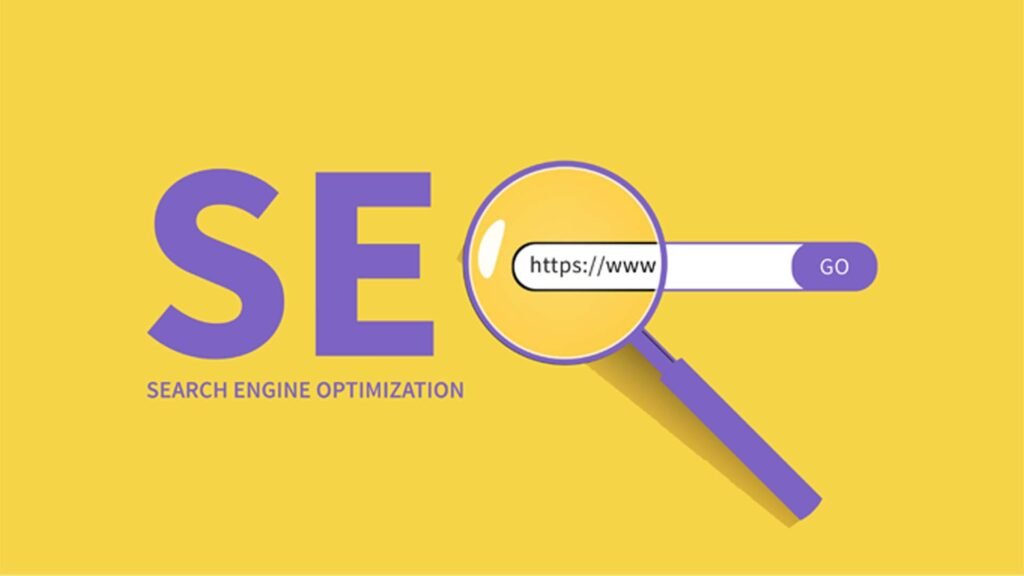
SEO (Search Engine Optimisation) is the process of optimising your website to rank higher in search engine results pages (SERPs) organically. The primary aim of SEO is to increase the quantity and quality of traffic to your website through unpaid search results.
Key Components of SEO
On-Page SEO: Involves optimising individual web pages to rank higher and earn more relevant traffic. Key aspects include keyword optimisation, meta descriptions, and internal linking.
Off-Page SEO: Focuses on activities outside your website that impact your rankings, such as backlinks, social media marketing, and guest blogging.
Technical SEO: Ensures your website meets the technical requirements of modern search engines. This includes site speed, mobile-friendliness, and secure connections (HTTPS).
Content SEO: Emphasises creating high-quality, relevant content that answers users’ queries and provides value.
What is SEM?
SEM (Search Engine Marketing) is a broader term that encompasses SEO but also includes paid advertising strategies. SEM aims to increase visibility in search engine results pages through both organic and paid methods.
Key Components of SEM
Paid Search Advertising: Involves purchasing ads on search engines, commonly through platforms like Google Ads. Advertisers bid on keywords, and their ads appear at the top of SERPs.
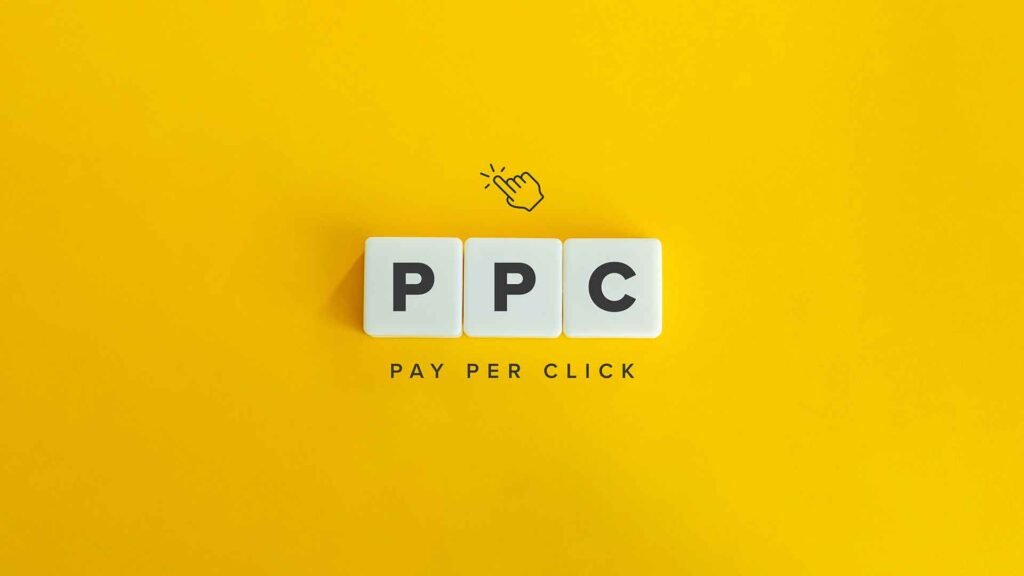
Pay-Per-Click (PPC): A popular model of internet marketing in which advertisers pay a fee each time their ad is clicked. It’s a way of buying visits to your site rather than attempting to earn those visits organically.
Ad Campaign Management: Involves planning, executing, and optimising ad campaigns to ensure they reach the right audience and achieve desired results.
Keyword Research: Integral to both SEO and SEM, keyword research helps identify the terms your target audience uses to find products or services similar to yours.
Key Differences Between SEO and SEM
Cost: SEO is generally cost-effective as it focuses on organic traffic, whereas SEM can be expensive due to the cost of paid advertising.
Time: SEO is a long-term strategy, often taking months to show results. SEM can produce immediate visibility and traffic through paid ads.
Sustainability: SEO offers long-lasting results and a sustainable source of traffic as long as you maintain your optimisation efforts. SEM’s effectiveness is directly tied to your ad spend; once you stop paying for ads, the traffic diminishes.
Click-Through Rates (CTR): Users often trust organic results more than paid ads, leading to higher CTRs for SEO. SEM can still achieve high CTRs, especially for highly targeted ads.
Control: SEM provides more control over the audience you reach through targeting options such as location, demographics, and user behaviour. SEO is more about optimising for search engines and less about directly controlling who sees your content.
How SEO and SEM Work Together
While SEO and SEM have their differences, they can complement each other when used together. An integrated approach can maximise your visibility and traffic potential.
Initial Boost: Use SEM to get immediate visibility and traffic while your SEO efforts build momentum.
Data Insights: Use data from SEM campaigns to inform your SEO strategy. For example, high-performing keywords in paid campaigns can be targeted for organic optimisation.
Balanced Budget: Allocate your marketing budget wisely by balancing long-term SEO investments with short-term SEM expenditures.
Conclusion
SEO and SEM are both integral parts of a successful digital marketing strategy. While SEO focuses on building a sustainable and cost-effective source of organic traffic, SEM leverages paid advertising to provide immediate results. Understanding their differences and how they can work together will help you create a comprehensive and effective online presence.
If you’re based in Reading and require premier SEO Services or SEM Services, click the links.